
Denise Atkinson and Marc Bohémier opened Tea Horse as a brick and mortar tea shop in Thunder Bay’s Bay and Algoma neighbourhood in the spring of 2017. A few years in, a sample of Japanese kukicha twig tea arrived from a supplier, and Atkinson noticed the twigs looked like wild rice, an observation that became ManoominCha, an industry-first tea roasted from manoomin. Corporate buyers keep ordering it because the sourcing behind the cup is as considered as what steeps inside it.
Meet Denise Atkinson and Marc Bohémier, the makers behind Tea Horse
Denise Atkinson is Anishinaabe ikwe, an Ojibwe woman, and a member of the Red Rock Indian Band in Northwestern Ontario. She and Marc Bohémier opened Tea Horse in Thunder Bay in 2017, then moved the business online and into wholesale distribution with local retailers within a couple of years, a shift that put the company in front of buyers well beyond the city.
The name comes from the tea horse road, the ancient trade route that once moved tea between China and Tibet, a nod to tea as something carried between cultures and generations. Bohémier has described what Atkinson brought to that idea directly: “There’s a relationship between the water and tea, and Denise has embraced this part of Indigenous women’s role as water keepers and caregivers.”
That kukicha sample became the turning point. Atkinson noticed the twigs resembled grains of wild rice and started experimenting with roasting manoomin the way tea leaves are roasted. The result, ManoominCha, is now Tea Horse’s signature blend and the reason the company shifted from tea retailer to tea producer.
What Tea Horse makes
The core lineup runs four ways: Manoomin, the roasted wild rice on its own; ManoominChai; ManoominCha; and Manoominaaboo, a caffeine-free tisane. Every blend starts with manoomin roasted through a process Atkinson calls a trade secret, one that turns the rice a deep chestnut brown and gives each cup an earthy backbone before any tea leaf joins it.
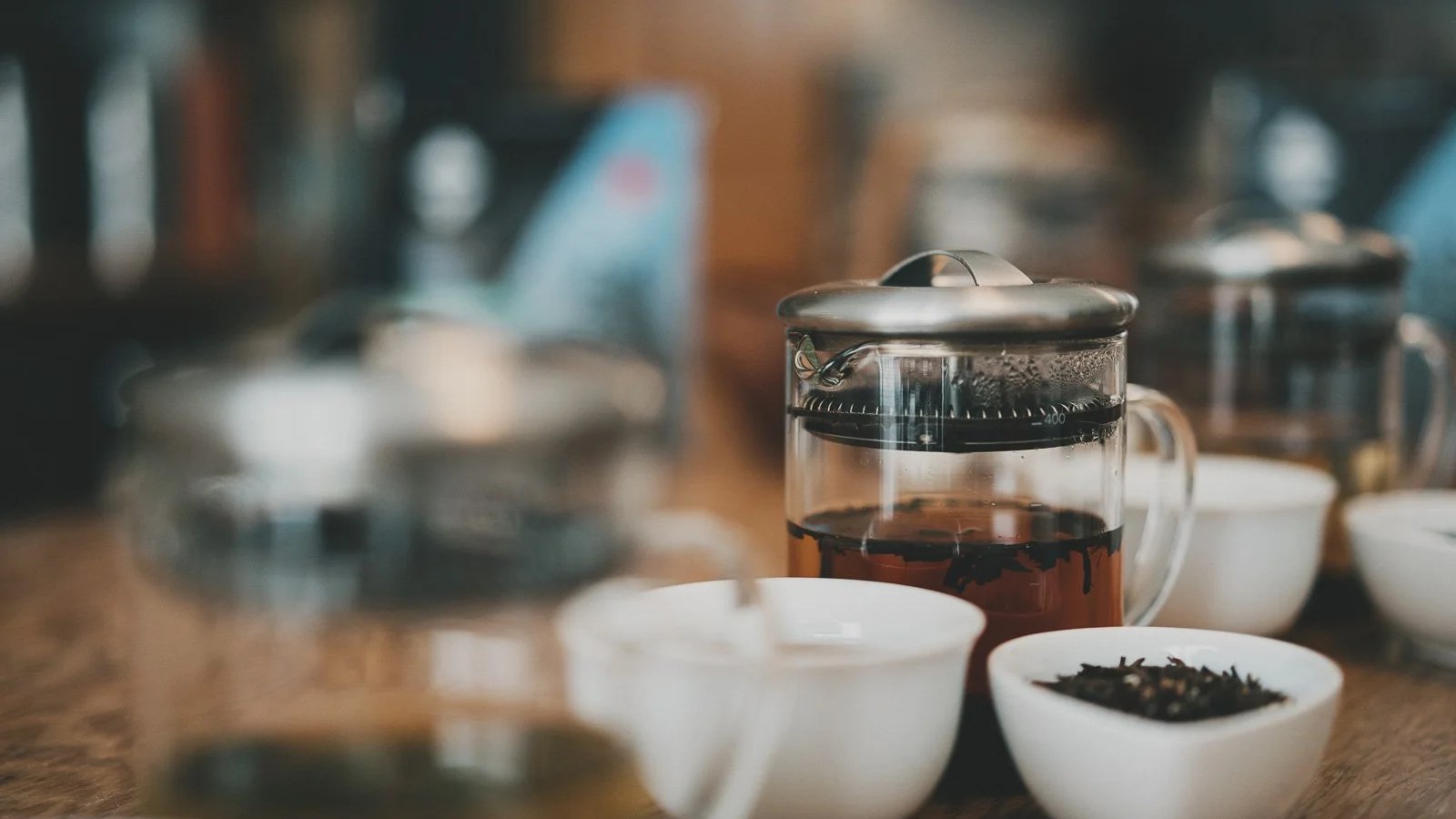
What arrives in the box is loose-leaf tea in resealable packaging, meant to be steeped rather than dunked as a bag. The wild rice itself is sustainably harvested and sourced from Indigenous growers in Northern Ontario, including Wabigoon Lake Ojibway Nation near Dryden, so the ingredient list doubles as a sourcing map.
The values built into every cup
Tea Horse is a Certified Aboriginal Business with the Canadian Council for Indigenous Business, and Atkinson’s ownership is the foundation the company builds from, not a line added after the fact. She and Bohémier consulted Elders before roasting their first batch of rice, and that conversation shaped what the company will and will not sell.
“We don’t want to exploit that,” Atkinson has said of medicinal plants like cedar tea and sweetgrass. “There’s a lot that we could sell, but we’re not doing that because it’s against protocol.” Tea Horse leaves those items to the communities and knowledge keepers they belong to, and sells only the wild rice teas it developed and roasted itself.
The company’s logo was designed by Anishnaabe artist Kevin Belmore of Thunder Bay, and the wild rice arrives through direct relationships with Indigenous harvesters rather than a commodity supply chain. As of mid-2026, that grounding, a Thunder Bay production base built on Indigenous ownership and Indigenous-grown ingredients, is what a corporate buyer is actually purchasing when they order a case of ManoominCha.
How Tea Horse works with corporate teams
Tea Horse’s clearest proof of corporate-scale delivery is DAVIDsTEA. In June 2022, the two companies launched Manoomin Maple, a black tea blend of roasted manoomin, maple, vanilla and berries, DAVIDsTEA’s first-ever collaboration with another tea company. The teams spent nine months on ingredients, flavour and packaging before the blend reached shelves, and 10 percent of proceeds support the David Suzuki Institute’s Reconciling Ways of Knowing program.
That partnership shows what Tea Horse can do inside a bigger brand’s supply chain: co-develop a blend and hit a retail timeline while keeping the give-back mechanism transparent enough to print on the tin. For a corporate buyer, the same capability applies at gifting scale. The wild rice story needs no embellishment when it lands in an onboarding kit or a client parcel.
Wholesale orders route through the company directly, and Tea Horse already supplies retailers from Toronto to Vancouver. Buyers who want a co-branded run or a custom blend should raise it early. As the DAVIDsTEA collaboration shows, real customization takes lead time, so a corporate project of any size starts with a conversation about what the team wants the gift to say.
Three ways to gift Tea Horse
- Onboarding kits. Pair Manoomin with a branded mug so a new hire starts with a tea that has a story to tell.
- Client thank-yous. A tin of ManoominCha reads as considered rather than generic for a client who already has everything.
- Holiday boxes. Manoominaaboo, the caffeine-free tisane, gives an evening option to teams building a seasonal set.
- Event favours. Small Manoomin sachets travel well as a conference or retreat takeaway.
Frequently asked questions
Is Tea Horse made in Canada?
Yes. Tea Horse roasts and blends its teas in Thunder Bay, Ontario, and sources its wild rice from Indigenous harvesters in Northern Ontario, including Wabigoon Lake Ojibway Nation near Dryden.
Can we add our logo or customize an order?
Tea Horse has co-developed a full retail blend before: its 2022 Manoomin Maple collaboration with DAVIDsTEA took nine months from concept to shelf. Custom packaging and co-branded runs are worth raising directly with the company, with lead time scoped to the size of the order.
What quantities work for a corporate order?
Tea Horse already supplies wholesale accounts and retailers from Toronto to Vancouver, so the company is set up for orders beyond a single office. A Butterfly specialist can help scope quantity and timeline with Tea Horse directly.
Is Tea Horse a certified Indigenous business?
Yes. Tea Horse is a Certified Aboriginal Business with the Canadian Council for Indigenous Business, and co-founder Denise Atkinson is Anishinaabe ikwe and a member of the Red Rock Indian Band.
Tea Horse built its wild rice teas around decisions Denise Atkinson and Marc Bohémier made from the start: work with Indigenous growers, say no to what protocol says isn’t theirs to sell, and let a Japanese twig tea sample point them toward a Northwestern Ontario ingredient. Gifting the result means gifting that whole set of decisions, not just the tin.
Ready when you are
Together, we create the effect.
Want Tea Horse in your next gifting project? Tell a Butterfly specialist what you are planning and we will bring the makers, the ideas, and the impact report.